Breadfruit

If you’ve spent any time in the Caribbean, you’ve probably run into breadfruit-whether it’s roasted over an open flame, fried into golden chips, or simmered in a hearty stew. This versatile fruit isn’t just food; it’s a part of the region’s culture, history, and everyday life.
What is Breadfruit?
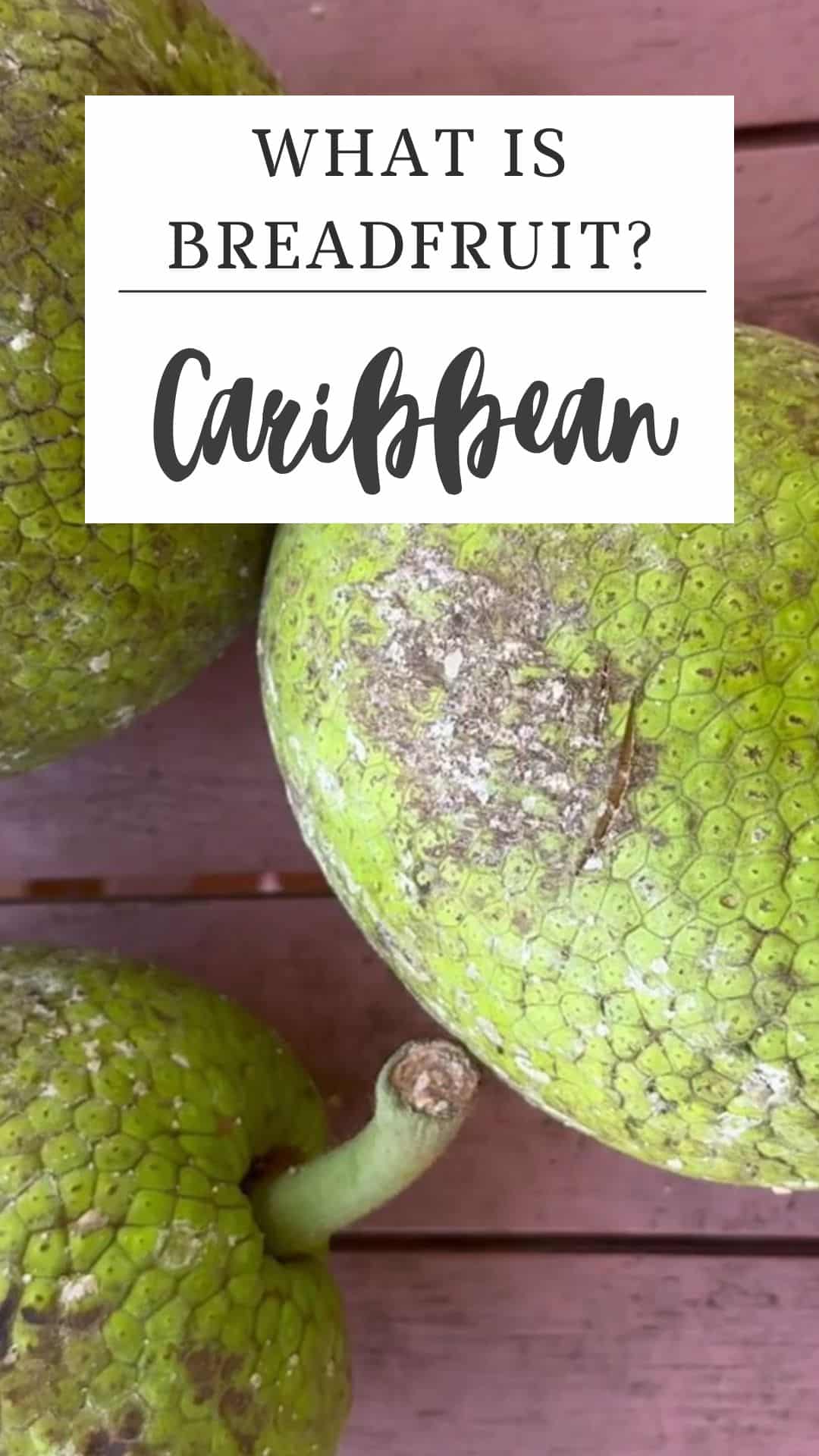
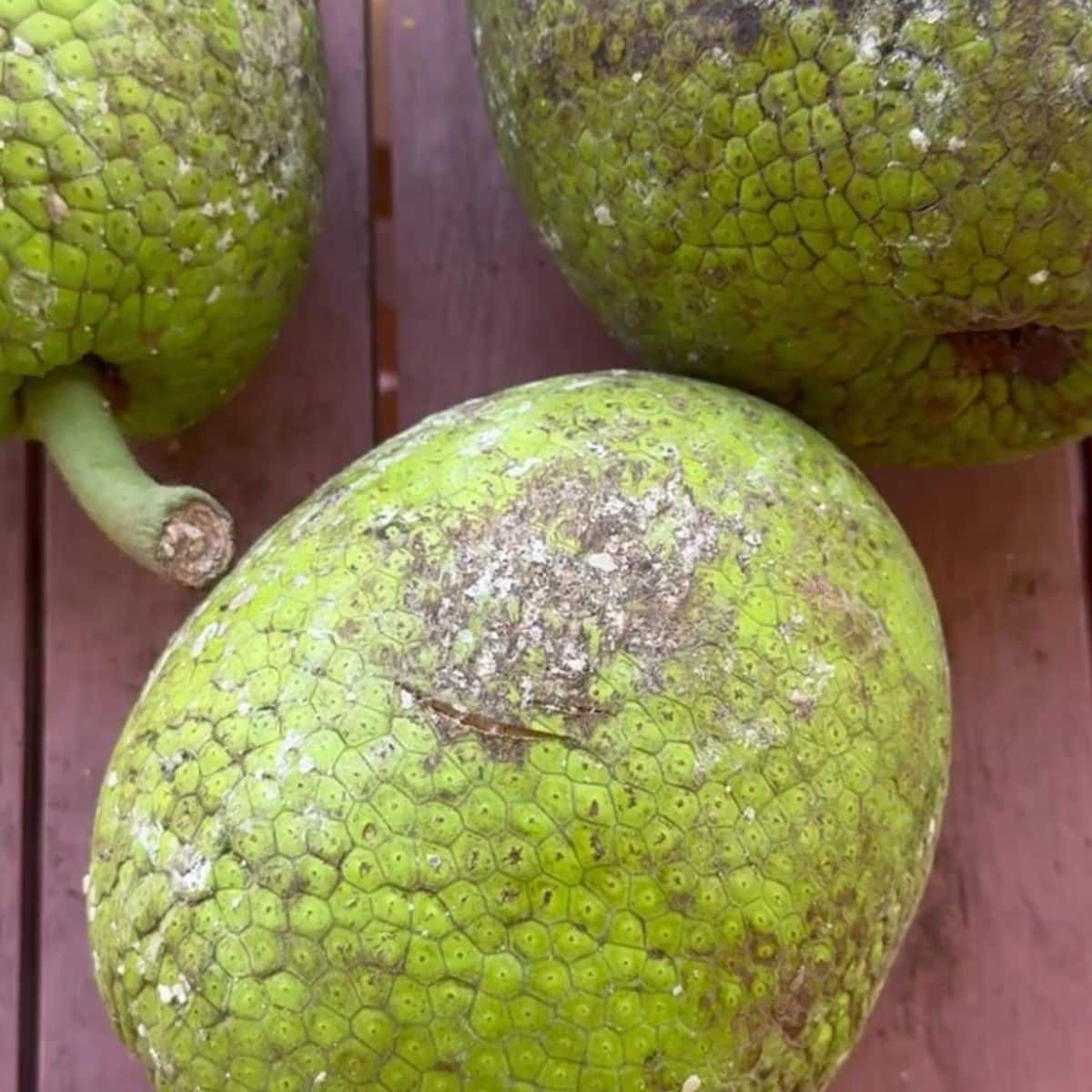
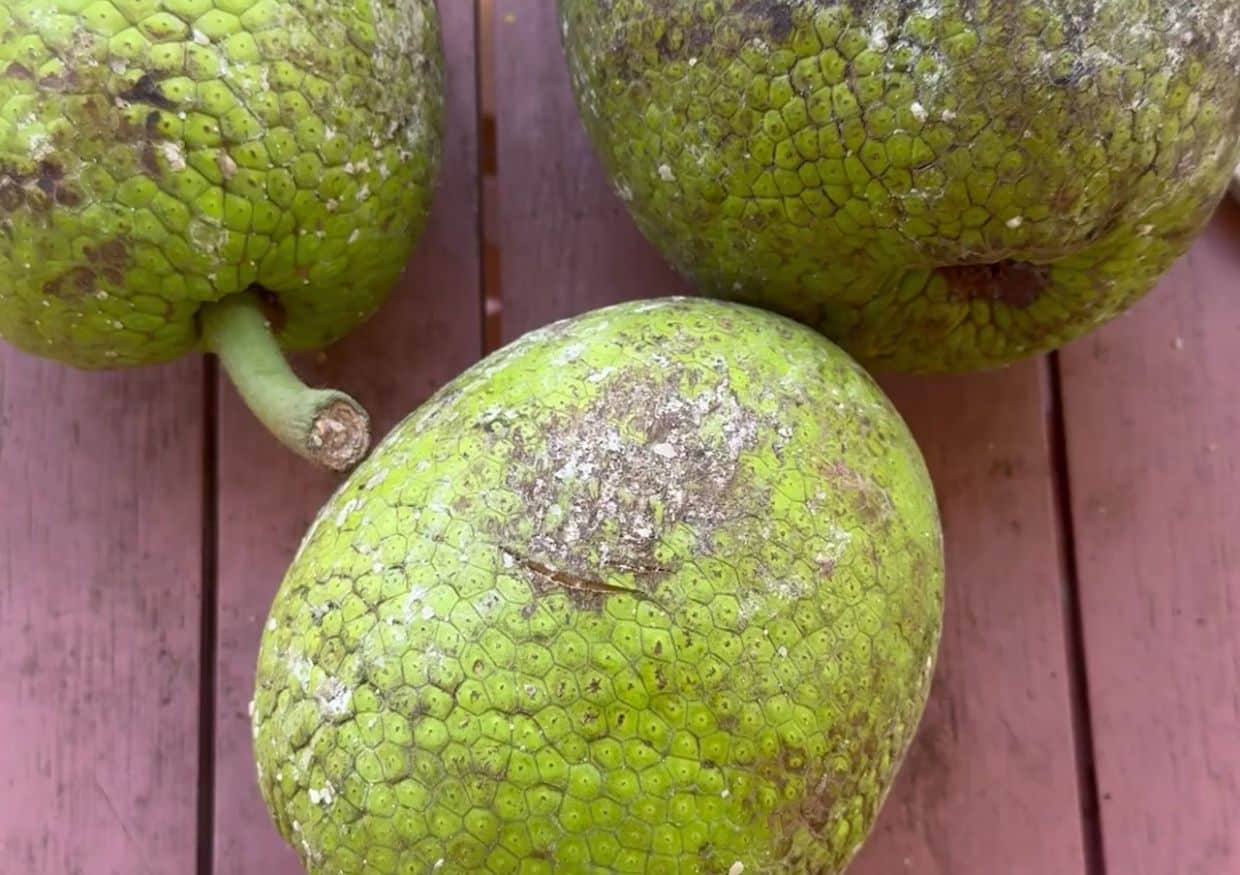
Breadfruit (Artocarpus altilis) is a big, round fruit with green, bumpy skin and soft, starchy flesh inside. When cooked, its texture is like potatoes but with a slightly nutty flavor. Depending on how you cook it, it can be creamy like mashed potatoes, crisp like fries, or dense like bread-which is why it earned its name.
Why is Breadfruit called breadfruit?
Breadfruit gets its name from the way it tastes and feels when cooked. When roasted, the flesh of the fruit becomes soft, starchy, and slightly fluffy and is very much like freshly baked bread. Its mild, nutty flavor also resembles that of bread or potatoes, making it a perfect substitute for both.
The name stuck because people found it easier to describe this new tropical fruit by comparing it to something familiar. So, while it’s technically a fruit, breadfruit behaves more like a starchy staple, much like bread, rice, or potatoes in the diet.
A bite of history
Breadfruit has deep roots in the Caribbean’s past. It started in the Pacific Islands and was brought to the Caribbean in the late 18th century by Captain William Bligh (yes, the captain from the Mutiny on the Bounty). The British introduced breadfruit as an inexpensive food source for enslaved Africans working on plantations. Over time, it became fully embraced as part of Caribbean cuisine and culture. Today, breadfruit trees are common across the islands, often in backyards where families pick them fresh for dinner.
Breadfruit Nutrition
Breadfruit isn’t just filling-it’s nutritious too. A single serving packs:
- Complex carbohydrates for lasting energy
- Dietary fiber for digestion and gut health
- Vitamin C to support the immune system
- Potassium to help maintain healthy blood pressure
- Magnesium and calcium for bone and muscle health
Plus, it’s low in fat, cholesterol-free, and naturally gluten-free, making it a great option for those avoiding wheat.
Benefits of breadfruit
Breadfruit is more than just delicious — it’s packed with health benefits that make it a valuable part of a balanced diet.
- Rich in Complex Carbohydrates
- Provides long-lasting energy, making it a great staple food for busy days.
- Supports Digestive Health
- High in dietary fiber, which aids digestion and helps maintain a healthy gut.
- Boosts Immunity
- A good source of vitamin C, which strengthens the immune system and helps fight infections.
- Heart-Healthy
- Contains potassium and magnesium, which help regulate blood pressure and support cardiovascular health.
- Strengthens Bones & Muscles
- Calcium and magnesium contribute to strong bones, healthy muscles, and nerve function.
- Gluten-Free Alternative
- Naturally gluten-free, making it suitable for people with celiac disease or gluten sensitivity.
- May Help with Weight Management
- Low in fat and cholesterol, yet filling, so it can keep you satisfied without being heavy.
- Versatile & Sustainable
- A single breadfruit tree can produce up to 200 fruits a year, making it a reliable, sustainable food source.
How Breadfruit is cooked
One of the best things about breadfruit is how versatile it is in the kitchen. Depending on its ripeness, it’s great in savory or even sweet dishes.
- Roasted: Traditionally roasted over an open flame until the skin char s, then peeled and served hot.
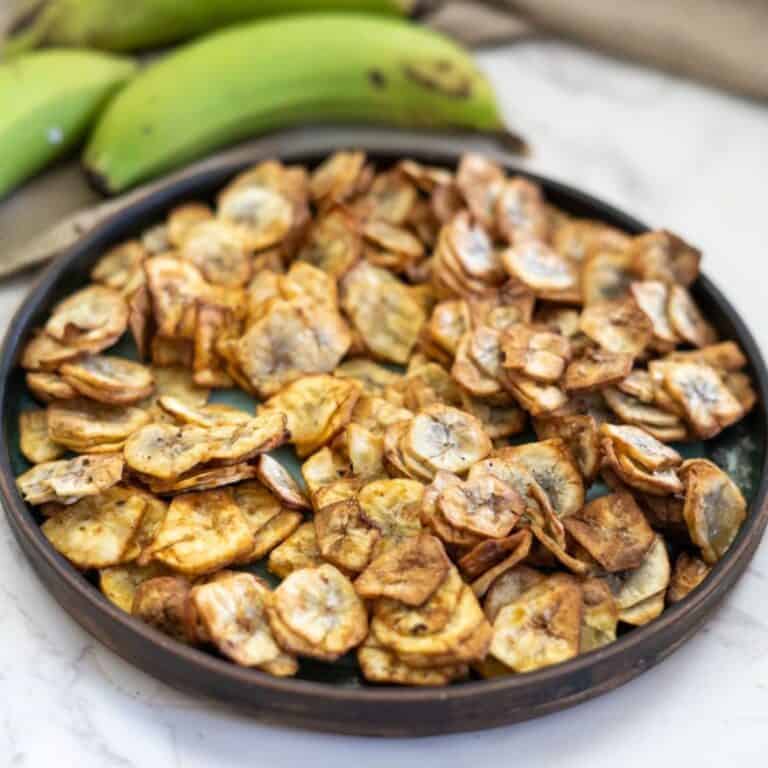
- Fried: Sliced into wedges or thin strips and fried into breadfruit fries or chips.
- Boiled: Cubed and boiled in salted water, served as a side dish much like potatoes.
- Stewed or Curried: Added to rich coconut milk stews or curries for a hearty, comforting meal.
- Baked or Mashed: Baked whole, scooped out, and mashed with butter or coconut oil.
When the fruit is fully ripe, it develops a sweet flavor and custard-like texture, perfect for desserts, fritters, and puddings.
Breadfruit in Caribbean Life
Beyond its nutrition, breadfruit carries a lot of cultural weight. It symbolizes resilience, survival, and community-neighbors often share the harvest when trees are heavy with fruit. Across the islands, it’s celebrated in local festivals and remains a staple in both home kitchens and street food stalls.
Final Thoughts
Breadfruit is more than a humble fruit-it’s a reminder of the Caribbean’s history, a symbol of island living, and a powerhouse of nutrition. Whether roasted, fried, or stewed, breadfruit stays a beloved comfort food that connects generations and cultures across the region.